Nazaré Surf Club · Ocean knowledge & planning
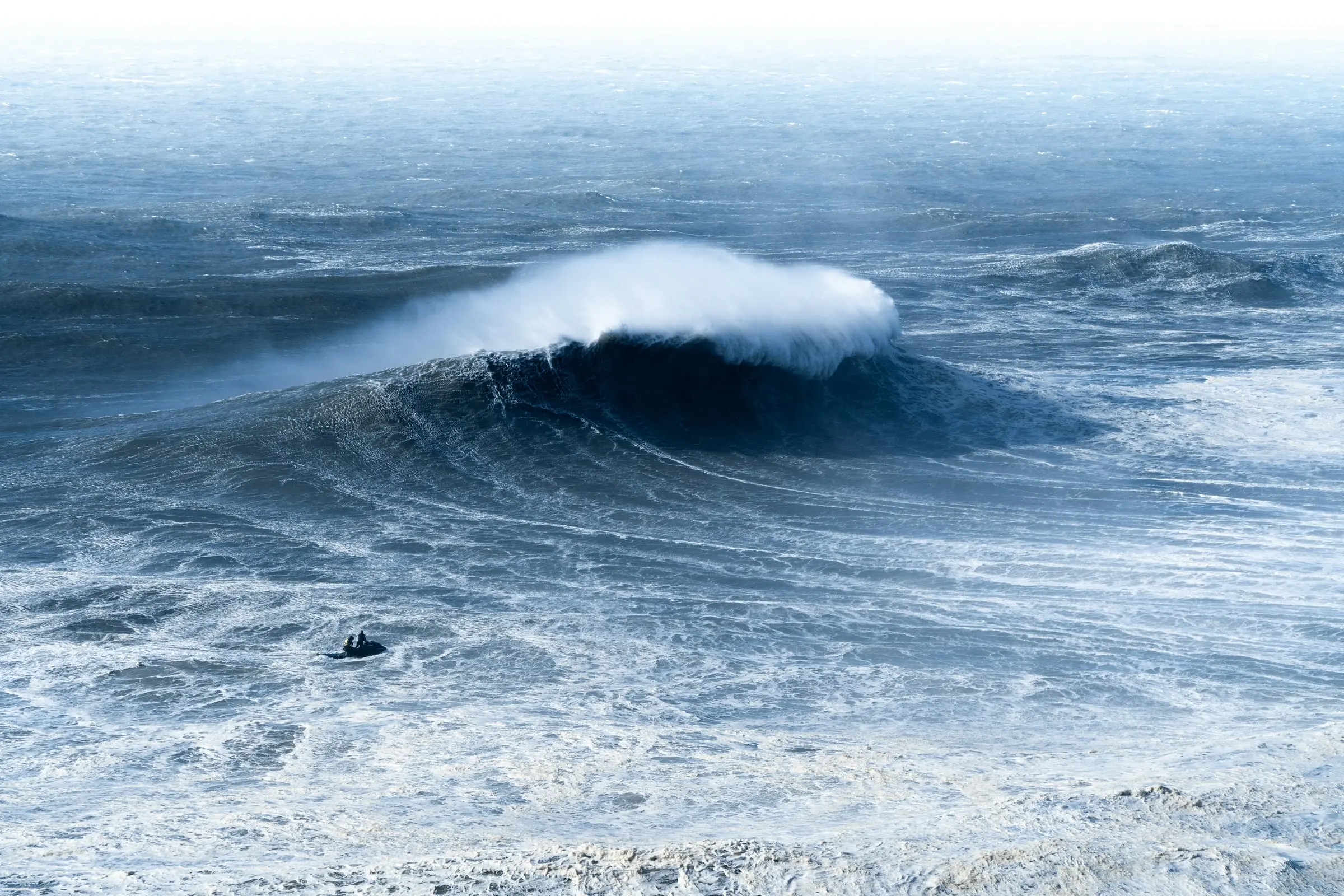
Nazaré does not break at giant size every day of the year. The towering A-frame peaks off Praia do Norte depend on deep North Atlantic storm tracks, long swell periods, and favorable local winds that align primarily between October and March.
For surfers preparing to step into heavy water, understanding how the Portuguese surf calendar works—and why Peniche serves as the ideal training base leading into winter swells—is essential to planning a productive trip.
This guide explains the Nazaré big-wave season, what swell and wind parameters awaken the canyon, and why allowing around two months gives you both the physical preparation and the weather flexibility required for Nazaré.
The winter swell window
When Are the Biggest Waves in Nazaré? (October to March)

The primary Nazaré big-wave season runs from October through March, with the most consistent XXL swells typically arriving between November and February. During these months, intense low-pressure systems cross the North Atlantic and send long-period groundswells (14 to 20+ seconds) from the west and northwest toward the Portuguese coast.
Even within peak winter, giant days come in distinct swell pulses lasting 1 to 3 days, separated by smaller or mid-sized Atlantic conditions. Because giant surf cannot be scheduled on a fixed calendar date, effective preparation requires a flexible window on the coast rather than a single weekend trip.
Why train in Peniche
Peniche: The Multi-Facing Training Peninsula Under an Hour Away
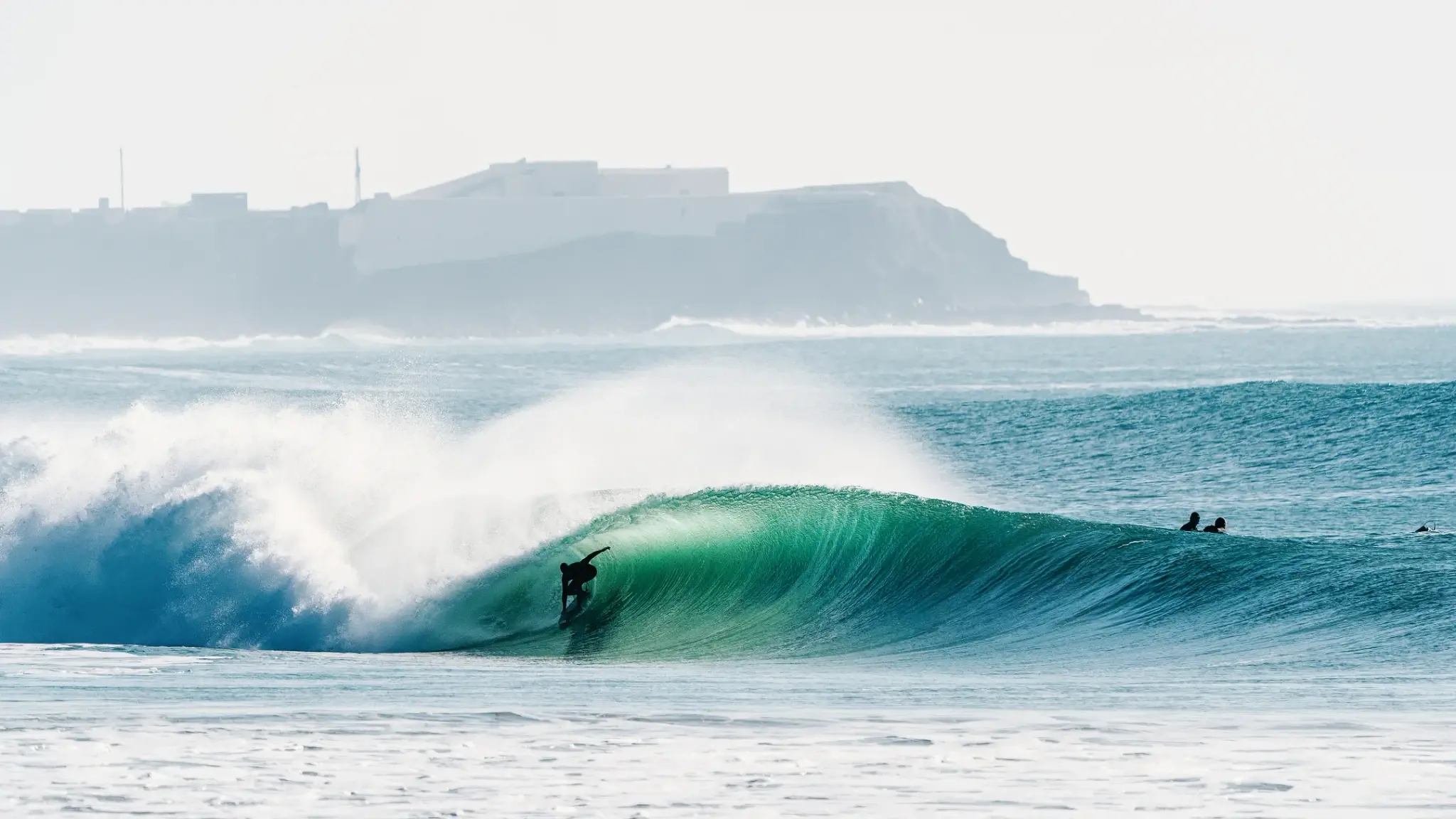
Waiting exclusively at Praia do Norte for a single swell direction is a slow way to progress. That is why Nazaré Surf Club bases your daily training in Peniche, less than an hour south of Nazaré.
Peniche sits on a peninsula with beaches facing multiple compass directions. When wind or swell makes one coast unruly, another side of the peninsula is often offshore and clean. From the varied peaks around Baleal to the heavy, hollow barrels of Supertubos, NSC surf coach Inês—former Portuguese National Surf Champion and Level 2 Surf Coach—can select the exact wave type that matches your technical objective on any given day.
Forecasting Praia do Norte
What Swell Height, Period and Wind Make Nazaré Work
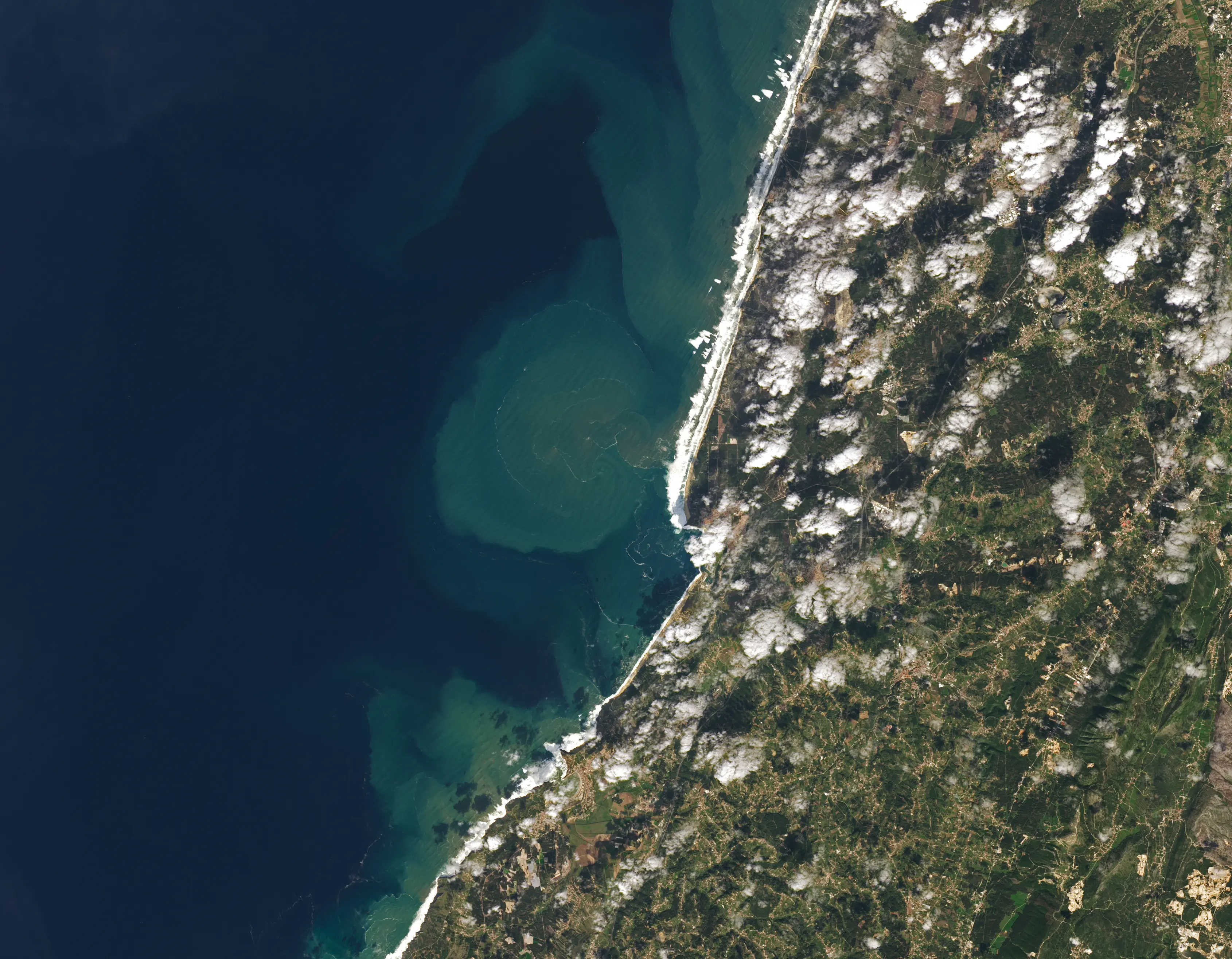
The Nazaré Canyon—reaching 5,000 meters deep over 210 kilometers—acts as a deep-water conduit. Long-period W–NW swells (270° to 315° at 14s+ period) refract sharply along the canyon walls and converge with the northern continental shelf swell just in front of the Fort of São Miguel Arcanjo.
Local wind is equally decisive. Light offshore easterly or northeasterly winds groom the faces of the converging wedges, whereas strong onshore gales can make tow-in operations hazardous. You can monitor live dual-model (MFWAM and GFS) swell watches, IPMA coastal warnings, and Instituto Hidrográfico Monican buoy telemetry on our live Nazaré Surf Report.
Planning your timeline
Why We Recommend a Two-Month Preparation Window

At Nazaré Surf Club, we recommend allowing around two months to complete the 27 private sessions in the Nazaré Performance Package. That timeline serves two purposes: physiological adaptation and ocean flexibility.
First, building surf technique, strength and conditioning, surf apnea CO₂ tolerance, and recovery habits requires time between sessions for your body to absorb the workload. Second, spending roughly eight weeks on the coast gives our coaching and operations team the flexibility to choose optimal ocean windows for your two supported Nazaré sessions rather than forcing a session in poor conditions.